
Spain

Why should you Travel to Spain?
Exploring Spain is a rhythm, a way of life. This land is one of the most diverse European Slow Travel destinations, benefiting from enjoyable weather all year. There is something for every taste between various landscapes and culinary traditions passed through generations, a lively atmosphere or beautiful beaches to lie down. This is what Slow Travel in Spain looks like.
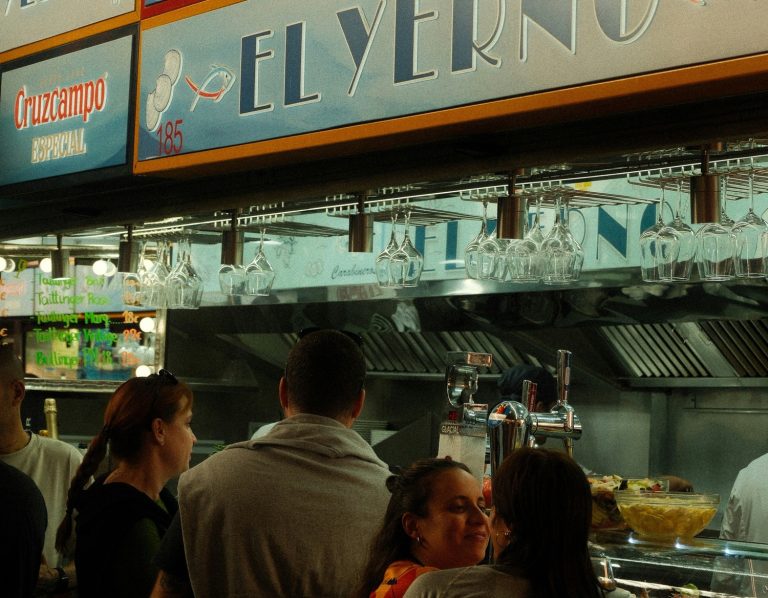
Wander around with the scent of freshly baked churros, the distant strum of a Spanish guitar, or the flamenco beats guiding your steps. Then, stretch your evenings late into the night over shared plates of tapas and laughter with locals.
From Andalusian white villages to the wild and more rural areas of the North, it’s a way to experience the country differently. No packed itineraries, no racing from one landmark to another. Just genuine immersion to touch the soul of the visited places. Spain isn’t just a place to visit; it’s a place to feel.
Exploring Spain is a rhythm, a way of life. This land is one of the most diverse European Slow Travel destinations, benefiting from enjoyable weather all year.
From diverse landscapes and culinary traditions passed through generations, a lively atmosphere or beautiful beaches to lie down, this is what Slow Travel in Spain looks like.
Wander around with the scent of freshly baked churros, the distant strum of a Spanish guitar, and stretch your evenings late into the night over shared plates of tapas and laughter with locals.
It’s a way to experience the country differently. No packed itineraries, no racing from one landmark to another. Just genuine immersion to touch the soul of the visited places. Spain isn’t just a place to visit; it’s a place to feel.
Where to Go in Spain?
The Slow Travel Guide in Spain
Why limit yourself to only scratching the surface when you can dive deep? Take your exploration and immersion to another level with this handmade Slow Travel Guide in Spain.
Exploration Map
ToggleDespite its beauty and diversity, this country is the second most visited worldwide in 2024 and can easily become a giant tourist trap. If you’re racing from Barcelona to Seville, ticking off tourist hotspots like a to-do list, are you experiencing it? Exploring Spain should be about avoiding the rush and embracing the country’s soul, not the opposite.
But, this isn’t another “best places to visit” guide. It’s an invitation to travel deeper, connect, and learn How to Slow Travel in Spain beyond the clichés. Whether you are a nature lover, curious about local traditions and legends, or enjoy tapas in a local bar, it’s time to feel what Spain means.
Why limit yourself to only scratching the surface when you can dive deep? Take your exploration and immersion to another level with this handmade Slow Travel Guide in Spain.
Despite its beauty and diversity, this country is the second most visited worldwide in 2024 and can easily become a giant tourist trap.
If you’re racing from Barcelona to Seville, ticking off tourist hotspots like a to-do list, are you experiencing it? Exploring Spain should be about avoiding the rush and embracing the country’s soul, not the opposite.
But, this isn’t another “best places to visit” guide. It’s an invitation to travel deeper, connect, and learn How to Slow Travel in Spain beyond the clichés. Whether you are a nature lover, curious about local traditions and legends, or enjoy tapas in a local bar, it’s time to feel what Spain means.

Latest Spain travel articles


Why is Spain a perfect slow travel destination?
1/ The diverse autonomous communities region
Spain possesses an interesting administrative and geographical organisation. The country is composed of 17 distinct territories called “autonomous communities”. Each of them ruled by their own government and laws while respecting national ones.
This unique division of power also created a strong identity in every region. The people present different traditions, dialects, legends, and history. Travelling slowly in Spain is the opportunity to discover each of them and what makes them so particular.
My advice would be to focus on one or two autonomous Spanish communities, depending on the time you have. By doing so, you get more chances to discover Spain authentically. From the northern part containing Galicia and Asturias or the Andalusian south, you will be surprised more than once.
Spain possesses an interesting administrative and geographical organisation. The country is composed of 17 distinct territories called “autonomous communities”. Each of them ruled by their own government and laws while respecting national ones.
This unique division of power also created a strong identity in every region. The people present different traditions, dialects, legends, and history. Travelling slowly in Spain is the opportunity to discover each of them and what makes them so particular.
My advice would be to focus on one or two autonomous Spanish communities, depending on the time you have. By doing so, you get more chances to discover Spain authentically. From the northern part containing Galicia and Asturias or the Andalusian south, you will be surprised more than once.

2/ A land of nature
After having slowly travelled quite a lot within Spain, I can confidently say that Mother Nature is quite diverse there. The landscapes vary from one region to another, so don’t be surprised if, within a 5-hour ride, you pass from green forest to arid surroundings.
It gave me the impression of exploring different countries while I was still in the same. In my opinion, it is an important feature of slow travel in Spain. This diversity of landscapes allows you to foster different opportunities along your way while travelling sustainably. No need to explore other countries when you have such a treasure within one destination.
After having slowly travelled quite a lot within Spain, I can confidently say that Mother Nature is quite diverse there. The landscapes vary from one region to another, so don’t be surprised if, within a 5-hour ride, you pass from green forest to arid surroundings.
It gave me the impression of exploring different countries while I was still in the same. In my opinion, it is an important feature of slow travel in Spain.
This diversity of landscapes allows you to foster different opportunities along your way while travelling sustainably. No need to explore other countries when you have such a treasure within one destination.
3/ Sustainable transportation networks
Another crucial criteria to slow travel in Spain is the sustainable transportation networks crisscrossing the country. We will come back later on how to get around Spain like a local, but let me say a word about it. There are many ways to travel across Spain by public transport and without a plane.
The national train company is RENFE. It doesn’t get much late, like the German or French one, and has high-speed trains quickly reaching your destinations. The price-quality ratio is decent, and the comfort is great, making it an amazing option for those looking to explore Spain sustainably.
Then, different regional or national bus companies operate almost everywhere. Whereas trains might not be able to bring you to your desired destinations, buses more likely can. They deserve every corner of Spain and oftentimes are the cheaper option. So, young friend, what are you waiting to travel slowly in Spain?
Another crucial criteria to slow travel in Spain is the sustainable transportation networks crisscrossing the country. We will come back later on how to get around Spain like a local, but let me say a word about it. There are many ways to travel across Spain by public transport and without a plane.
The national train company is RENFE. It doesn’t get much late, like the German or French one, and has high-speed trains quickly reaching your destinations.
The price-quality ratio is decent, and the comfort is great, making it an amazing option for those looking to explore Spain sustainably.
Then, different regional or national bus companies operate almost everywhere. Whereas trains might not be able to bring you to your desired destinations, buses more likely can.
They deserve every corner of Spain and oftentimes are the cheaper option. So, young friend, what are you waiting to travel slowly in Spain?

Travelling slowly in Spain: Practical Tips you need to know
Budget: How much does travelling slowly in Spain cost?
Your budget to travel slowly in Spain will depend on when you plan to undertake your odyssey. Thus, the numbers below are more an average and could increase or decrease depending on if you decide to go during shoulder or peak seasons.
It includes hostel accommodations, aka from my fellow broke backpackers, and not many fancy restaurants but local cuisine. So, if this is the way you like to travel, let’s take a look at how much travelling slowly in Spain costs.
Typical Budget per day in Spain: 45-100€ (2025)
Accommodations: 25-40€
Transportations: 5-10€
Souvenirs: 0-10€
Food: 10-20€
Drinks: 5-10€
Activities: 0-10€
Your budget to travel slowly in Spain will depend on when you plan to undertake your odyssey. Thus, the numbers below are more an average and could increase or decrease depending on if you decide to go during shoulder or peak seasons.
It includes hostel accommodations, aka from my fellow broke backpackers, and not many fancy restaurants but local cuisine. So, if this is the way you like to travel, let’s take a look at how much travelling slowly in Spain costs.
Typical Budget per day in Spain: 45-100€ (2025)
Accommodations: 25-40€
Transportations: 5-10€
Souvenirs: 0-10€
Food: 10-20€
Drinks: 5-10€
Activities: 0-10€


Where to stay: the best Slow travel hostels in Spain
I had the chance to stay in many hostels while travelling slowly in Spain. However, to my surprise, it sometimes was hard to find a great place to sleep without spending over 40 euros per night. In some places, Spain is transforming into a giant tourist hub, and authentic local hostels are becoming almost non-existent.
Fortunately, some of them are perfectly aligned with the backpacker and slow traveller ethos. You know, this kind of hostel where the beds are comfy, the facilities are great and clean, the staff amazing and full of local insights? It is what I am talking about!
To discover the top places to stay in Spain, check out this non-exhaustive list of the best Spanish slow travel hostels. But don’t strictly follow it! The best discoveries and hidden gems are those you uncover by yourself, young slow traveller!
I had the chance to stay in many hostels while travelling slowly in Spain. However, to my surprise, it sometimes was hard to find a great place to sleep without spending over 40 euros per night. In some places, Spain is transforming into a giant tourist hub, and authentic local hostels are becoming almost non-existent.
Fortunately, some of them are perfectly aligned with the backpacker and slow traveller ethos. You know, this kind of hostel where the beds are comfy, the facilities are great and clean, the staff amazing and full of local insights? It is what I am talking about!
To discover the top places to stay in Spain, check out this non-exhaustive list of the best Spanish slow travel hostels. But don’t strictly follow it! The best discoveries and hidden gems are those you uncover by yourself, young slow traveller!

How to get around Spain like a Local
You are arriving at one of the most crucial points to slow travel in Spain: how the fuck do you move around? Well, luckily, this is straightforward and cheap to move like a local in Spain. Let me drive you into how to get the best of the national deals and travel from one autonomous community to another or within a single one in the most efficient and sustainable way possible.
You are arriving at one of the most crucial points to slow travel in Spain: how the fuck do you move around? Well, luckily, this is straightforward and cheap to move like a local in Spain.
Let me drive you into how to get the best of the national deals and travel from one autonomous community to another or within a single one in the most efficient and sustainable way possible.
1/ The national train company: RENFE
RENFE is the national train company in Spain and the most commonly used by locals and visitors. Spain has a well-developed rail network connecting most cities and smaller towns, making it ideal for slow travel in Spain.
The service on board is great, especially on the more expensive high‑speed AVE trains, ideal for longer connections, but Media Distancia and Regional services are also more than enough.
My personal tip is to favour the regional options, which often pass through smaller stations and rural areas where traditional Spanish traditions still thrive. The RENFE also operates trains in and out of neighbouring countries such as Portugal or France.
Special deal: Explore Galicia for 3 Days by train for just 25€ (until December 2025)
Renfe Website: Here
RENFE is the national train company in Spain and the most commonly used by locals and visitors. Spain has a well-developed rail network connecting most cities and smaller towns, making it ideal for slow travel in Spain.
The service on board is great, especially on the more expensive high‑speed AVE trains, ideal for longer connections, but Media Distancia and Regional services are also more than enough.
My personal tip is to favour the regional options, which often pass through smaller stations and rural areas where traditional Spanish traditions still thrive. The RENFE also operates trains in and out of neighbouring countries such as Portugal or France.
Special deal: Explore Galicia for 3 Days by train for just 25€ (until December 2025)
Renfe Website: Here

2/ The regional train offers: bono de cercanias
The Bono de Cercanias is RENFE’s multi‑journey pass for regional services. Basically, you can travel almost for a ridiculously cheap price without one of the autonomous communities.
I used it a lot to explore Valencia and its surroundings when I was living there, and it was such a great deal to have. I recommend this offer for those setting up a base in one location and making short trips to nearby villages, beaches, or nature spots for a week or more.
It is one of the best ways to slow travel and experience Spain like a local without rushing from one point to another. You can find them at every train station, asking at the counter for a bono de cercanias.
More info on the RENFE website here (Valencia example).
The Bono de Cercanias is RENFE’s multi‑journey pass for regional services. Basically, you can travel almost for a ridiculously cheap price without one of the autonomous communities.
I used it a lot to explore Valencia and its surroundings when I was living there, and it was such a great deal to have. I recommend this offer for those setting up a base in one location and making short trips to nearby villages, beaches, or nature spots for a week or more.
It is one of the best ways to slow travel and experience Spain like a local without rushing from one point to another. You can find them at every train station, asking at the counter for a bono de cercanias.
More info on the RENFE website here (Valencia example).
3/ The national bus companies: ALSA and Others
Buses remain the backbone of slow travel in Spain, reaching places where trains don’t go. Sometimes, depending on your desired destination, you might have to alternate between buses and trains. Wherever you want to go, ALSA is the largest and most reliable operator, with connections across the country, from big cities to tiny villages.
For the storytelling, I wanted to reach Tarifa, but there was no train station over there. Besides hitchhiking or renting a car, my only option was to rely on the regional train company. Thanks to that, I had the chance to discover the best things to do in Tarifa and spent a wonderful month in the southern point of Europe.
Other reputable bus lines like Avanza, Monbus, and Socibus cover regional or specialised routes. These services are ideal for slow travel in Spain at a low price, allowing more spontaneous stops and sustainable impact.
ALSA Website: Here
Buses remain the backbone of slow travel in Spain, reaching places where trains don’t go. Sometimes, depending on your desired destination, you might have to alternate between buses and trains.
Wherever you want to go, ALSA is the largest and most reliable operator, with connections across the country, from big cities to tiny villages.
For the storytelling, I wanted to reach Tarifa, but there was no train station over there. Besides hitchhiking or renting a car, my only option was to rely on the regional train company. Thanks to that, I had the chance to discover the best things to do in Tarifa and spent a wonderful month in the southern point of Europe.
Other reputable bus lines like Avanza, Monbus, and Socibus cover regional or specialised routes. These services are ideal for slow travel in Spain at a low price, allowing more spontaneous stops and sustainable impact.
ALSA Website: Here

Packing List to explore Spain
Due to the diversity of landscapes, the weather can change a lot depending on where you want to slow travel in Spain. However, a few key things remain whether you are in Spain, Italy, or Slovenia. Here are my top recommendations to integrate into your packing list before embarking on a slow journey in Spain:
- Light and Versatile Layers: Spain’s climate varies greatly. Pack breathable layers for summer, a warm jacket for mountain areas, and a waterproof jacket for the northern coast.
- Reliable Walking Shoes: Ideal for any situation whether it’s hours exploring cobbled streets or hiking rural trails.
- A Daypack: It is essential for not having to carry your heavy backpack during market trips, spontaneous walks, or day adventures.
- Refillable Water Bottle: To take care of Mother Nature by reducing waste and staying hydrated while exploring.
- Eco‑friendly Toiletries: Because you need to stay pretty and fresh while maintaining a low‑impact mindset throughout your trip.
- Notebook or Travel Journal: The power of capturing moments, anecdotes, and slow travel thoughts might surprise you along the way.
Due to the diversity of landscapes, the weather can change a lot depending on where you want to slow travel in Spain. However, a few key things remain whether you are in Spain, Italy, or Slovenia.
Here are my top recommendations to integrate into your packing list before embarking on a slow journey in Spain:
Light and Versatile Layers: Spain’s climate varies greatly. Pack breathable layers for summer, a warm jacket for mountain areas, and a waterproof jacket for the northern coast.
Reliable Walking Shoes: Ideal for any situation whether it’s hours exploring cobbled streets or hiking rural trails.
A Daypack: It is essential for not having to carry your heavy backpack during market trips, spontaneous walks, or day adventures.
Refillable Water Bottle: To take care of Mother Nature by reducing waste and staying hydrated while exploring.
Eco‑friendly Toiletries: Because you need to stay pretty and fresh while maintaining a low‑impact mindset throughout your trip.
Notebook or Travel Journal: The power of capturing moments, anecdotes, and slow travel thoughts might surprise you along the way.

Recommendations for Slow Travellers in Spain
Spain is a country where it is relatively easy to travel slowly if you apply these tips and tricks. Once again, it is not a follow-every-step blueprint, but it has a certain magical effect on your potential immersive travel into Spanish culture. Here are the slow travel tips I would advise to create an authentic and cultural experience in Spain.
Spain is a country where it is relatively easy to travel slowly if you apply these tips and tricks. Once again, it is not a follow-every-step blueprint, but it has a certain magical effect on your potential immersive travel into Spanish culture.
Here are the slow travel tips I would advise to create an authentic and cultural experience in Spain.
Slow travel tips to immerse in the Spanish local life
Learn basic sentences: This might be the best advice I have. Trying to speak the local language always opens new doors.
Look for local events: Spanish love to party and celebrate! Wherever you are during your slow travel journey in Spain, look online or ask at the tourist office for important dates and cultural events during your stay.
Try the local cuisine: It is a crucial and unmissable point when travelling slowly in Spain! You must try the local cuisine as every autonomous community has specialities you will love.
Connect with locals: Whether it’s by sleeping at homestays, Couchsurfing, or attending local events, the best way to immerse yourself in local life is by connecting with the inhabitants. Don’t be shy and dare to explore!
Stay longer: The number one mantra of every slow traveller: favour quality over quantity. Staying longer in one location rather than visiting more at a rushing pace is the golden rule for authentic and cultural experiences.
Learn basic sentences: This might be the best advice I have. Trying to speak the local language always opens new doors.
Look for local events: Spanish love to party and celebrate! Wherever you are during your slow travel journey in Spain, look online or ask at the tourist office for important dates and cultural events during your stay.
Try the local cuisine: It is a crucial and unmissable point when travelling slowly in Spain! You must try the local cuisine as every autonomous community has specialities you will love.
Connect with locals: Whether it’s by sleeping at homestays, Couchsurfing, or attending local events, the best way to immerse yourself in local life is by connecting with the inhabitants. Don’t be shy and dare to explore!
Stay longer: The number one mantra of every slow traveller: favour quality over quantity. Staying longer in one location rather than visiting more at a rushing pace is the golden rule for authentic and cultural experiences.

Open The Backpacker StarterPack
- Chapter 1: How to know what kind of traveller I am?
- Chapter 2: How to create the perfect packing list?
- Chapter 3: How to find the best travel insurance?
- Chapter 4: How to Budget like a Pro?
- Chapter 5: How to find your perfect accommodation?
- Chapter 6: How to move in a foreign country?
- Chapter 7: How to Stay Safe while travelling?
- Chapter 8: How to become a Slow Traveller?
- Chapter 5: How to find your perfect accommodation?
- Chapter 6: How to move in a foreign country?
- Chapter 7: How to Stay Safe while travelling?
- Chapter 8: How to become a Slow Traveller?
Best regions for Slow travel in Spain
Basque Country
I loved to explore the Spanish Basque country! So far, it is one of my favourite regions for slow travel in Spain, and by far!
The Basque have a fascinating history to learn from, being one of the most ancient people in Europe. From their unknown ancient origins to their resistance and persecution under Franco’s reign, they had survived through time to see their heritage slowly blossom again.
Basque cuisine is simply delicious, based on local organic products, and they know how to celebrate. By travelling slowly in the Spanish basque country, you might end up at a local festival surrounded by traditional clothes and music.
Then, nature is divine. It is one of the greenest areas in Spain and presents almost every feature. Rivers, lakes, mountains, and ocean coast, you will find something for your taste. Embark on a slow travel adventure in the Basque country now!
I loved to explore the Spanish Basque country! So far, it is one of my favourite regions for slow travel in Spain, and by far! The Basque have a fascinating history to learn from, being one of the most ancient people in Europe.
From their unknown ancient origins to their resistance and persecution under Franco’s reign, they had survived through time to see their heritage slowly blossom again.
Basque cuisine is simply delicious, based on local organic products, and they know how to celebrate. By travelling slowly in the Spanish basque country, you might end up at a local festival surrounded by traditional clothes and music.
Then, nature is divine. It is one of the greenest areas in Spain and presents almost every feature. Rivers, lakes, mountains, and ocean coast, you will find something for your taste. Embark on a slow travel adventure in the Basque country now!

Andalusia
Andalusia stole a piece of my heart from the very first moment I set foot there. It’s a land where history, nature, and culture blend beautifully, making it an ideal destination for slow travel in Spain.
What I love most about Andalusia is its rich cultural experience. Its heritage and traditional Spanish lifestyle mixed with Arabic architectural features make it unique in the country. Here, life moves to its own rhythm (the infamous siesta) for you to slow down, connect deeply with the locals, and understand the stories behind it.
Andalusia is more than a destination but a captivating way of life under a scorching sun. Its dry landscapes don’t remove anything from its beauty, and it is one of the best places in Spain for those seeking a truly enriching, memorable journey.
Andalusia stole a piece of my heart from the very first moment I set foot there. It’s a land where history, nature, and culture blend beautifully, making it an ideal destination for slow travel in Spain.
What I love most about Andalusia is its rich cultural experience. Its heritage and traditional Spanish lifestyle mixed with Arabic architectural features make it unique in the country.
Here, life moves to its own rhythm (the infamous siesta) for you to slow down, connect deeply with the locals, and understand the stories behind it.
Andalusia is more than a destination but a captivating way of life under a scorching sun. Its dry landscapes don’t remove anything from its beauty, and it is one of the best places in Spain for those seeking a truly enriching, memorable journey.

Valencia
I lived in Valencia for over 9 months and fell in love with the city and its surroundings almost as soon as I arrived. Valencia is an incredible place where it’s good to live and explore. There is a big cultural diversity, and people are happy.
The region is home to some of the most emblematic Spanish dishes such as paella, and hosts an amazing one-week celebration called Fallas de Valencia.
The surroundings offer ideal destinations between Bunol, Cullera, or Peniscola. Orange fields and beautiful beaches are sprinkled with local traditions and beautiful nature, making it one of the best regions for slow travel in Spain.
I lived in Valencia for over 9 months and fell in love with the city and its surroundings almost as soon as I arrived. Valencia is an incredible place where it’s good to live and explore. There is a big cultural diversity, and people are happy.
The region is home to some of the most emblematic Spanish dishes such as paella, and hosts an amazing one-week celebration called Fallas de Valencia.
The surroundings offer ideal destinations between Bunol, Cullera, or Peniscola. Orange fields and beautiful beaches are sprinkled with local traditions and beautiful nature, making it one of the best regions for slow travel in Spain.
Balearic islands
Despite its confirmed reputation of being a tourist hub, the Balearic islands have a lot to offer away from mass tourism. The truth is that visitors gather in a few places, leaving the rest of the islands authentic and worth exploring.
Accessible by ferry from Valencia, Barcelona, or even France, you can pick one of them and have a wonderful travel experience far from the crowds. I was surprised to discover that exploring Palma de Mallorca could be full of hidden gems and local spots.
Besides, it offers different adventures to every taste. I went hiking on the GR221 in Mallorca, and it is one of my best memories of 2025. Discovering that you can wander the mountains passing by local rural villages is a totally different sustainable travel experience and a great way to slow travel.
Despite its confirmed reputation of being a tourist hub, the Balearic islands have a lot to offer away from mass tourism. The truth is that visitors gather in a few places, leaving the rest of the islands authentic and worth exploring.
Accessible by ferry from Valencia, Barcelona, or even France, you can pick one of them and have a wonderful travel experience far from the crowds. I was surprised to discover that exploring Palma de Mallorca could be full of hidden gems and local spots.
Besides, it offers different adventures to every taste. I went hiking on the GR221 in Mallorca, and it is one of my best memories of 2025. Discovering that you can wander the mountains passing by local rural villages is a totally different sustainable travel experience and a great way to slow travel.

Slow travel Itineraries in Spain
Due to the numerous slow-travel destinations in Spain, you might want to craft an itinerary to explore the region you are visiting. I haven’t been everywhere in Spain, but after a few months living there and a few journeys, I designed one or two slow travel itineraries you will enjoy.
They aren’t made to be followed blindly but to get inspired by them. Dive into them, collect the best ideas and create your ultimate slow travel itinerary in Spain!
Due to the numerous slow-travel destinations in Spain, you might want to craft an itinerary to explore the region you are visiting.
I haven’t been everywhere in Spain, but after a few months living there and a few journeys, I designed one or two slow travel itineraries you will enjoy.
They aren’t made to be followed blindly but to get inspired by them. Dive into them, collect the best ideas and create your ultimate slow travel itinerary in Spain!


Slow Travel Itinerary in the Basque Country
I made a road trip in the Spanish Basque Country with a friend of mine in July 2024, and it was probably one of the best trips I did in my whole life. Between surf sessions, breathtaking landscapes dives into the Basque culture, and tasty cuisine, we couldn’t have asked for more. Here are a few spots I particularly enjoyed:
Day 1-3: San Sebastian
Day 4-5: Zarautz
Day 6: Zumaia
Day 7-8: Deba
Day: 9-10: Mutriku
But, this is just the beginning of this fabulous itinerary! So, for those eager to discover the full version and to discover why this autonomous country is worth slowly travelling, dive into the Ultimate Spanish Basque Country Itinerary!
I made a road trip in the Spanish Basque Country with a friend of mine in July 2024, and it was probably one of the best trips I did in my whole life.
Between surf sessions, breathtaking landscapes dives into the Basque culture, and tasty cuisine, we couldn’t have asked for more. Here are a few spots I particularly enjoyed:
Day 1-3: San Sebastian
Day 4-5: Zarautz
Day 6: Zumaia
Day 7-8: Deba
Day: 9-10: Mutriku
But, this is just the beginning of this fabulous itinerary! So, for those eager to discover the full version and to discover why this autonomous country is worth slowly travelling, dive into the Ultimate Spanish Basque Country Itinerary!

A Different Mallorca Itinerary
I must admit that Mallorca surprised me in many ways when I first visited it. I thought about it as a giant tourist hub with high prices and nothing authentic anymore. However, I decided to give it a shot and never regretted it. What I discovered on the island was far beyond my expectations.
I witnessed strong and lively traditions, locals preserving an authentic lifestyle, traditional cuisine by local chefs for local inhabitants, and a beautiful and diverse Nature. Mallorca is small, so I didn’t struggle to explore it by bus, hitchhiking, or with friends. However, I must admit that with a car, it would have been way easier.
If you want to discover the magic of the island and its hidden gems far away from the usual tourist spots, you should read this complete guide and itinerary to Mallorca. Enjoy, young slow traveller!
I must admit that Mallorca surprised me in many ways when I first visited it. I thought about it as a giant tourist hub with high prices and nothing authentic anymore. However, I decided to give it a shot and never regretted it. What I discovered on the island was far beyond my expectations.
I witnessed strong and lively traditions, locals preserving an authentic lifestyle, traditional cuisine by local chefs for local inhabitants, and a beautiful and diverse Nature.
Mallorca is small, so I didn’t struggle to explore it by bus, hitchhiking, or with friends. However, I must admit that with a car, it would have been way easier.
If you want to discover the magic of the island and its hidden gems far away from the usual tourist spots, you should read this complete guide and itinerary to Mallorca. Enjoy, young slow traveller!

Southern Spain Itinerary
Coming soon, exploration in progress. Stay curious 🙂
Coming soon, exploration in progress. Stay curious 🙂
When to visit Spain
Best time to Slow Travel in Spain
Spain offers ideal weather and compelling year-round destinations for those embracing the Slow Travel ethos. Choosing when to visit depends on your interests and the type of experience you seek:
Spring (March to May): A splendid time for visiting the blooming gardens of Andalusia or enjoying the mild temperatures perfect for leisurely city tours in Barcelona and Madrid. The countryside is switching from Spring to Summer offering breath-taking landscapes and the crowds haven’t arrived yet.
Summer (June to August): You should avoid the whole Mediterranean coast during this time of the year. It is packed with tourists gathering on each free beach centimetres. Plus, the temperature is usually stifling. A good alternative is the Northern part of Spain and the Atlantic Coast such as doing road trips in the Basque Country.
Autumn (September to November): The majority of tourists have gone away so it offers a golden opportunity to witness the real Spanish vibe. The cooler temperatures rejuvenate the cities, making cultural explorations particularly pleasant and it is also time for the grape harvest in the wine regions of La Rioja and Ribera del Duero.
Winter (December to February): Ideal to Slow Travel in Spain for those attracted by the snowy peaks of the Pyrenees for skiing. Not a snow fan? Cities in Andalucia remain mild, ranging between 10 and 25 degrees, and perfect for enjoying Spain without the crowds.
Spain offers ideal weather and compelling year-round destinations for those embracing the Slow Travel ethos. Choosing when to visit depends on your interests and the type of experience you seek:
Spring (March to May): A splendid time for visiting the blooming gardens of Andalusia or enjoying the mild temperatures perfect for leisurely city tours in Barcelona and Madrid.
The countryside is switching from Spring to Summer offering breath-taking landscapes and the crowds haven’t arrived yet.
Summer (June to August): You should avoid the whole Mediterranean coast during this time of the year. It is packed with tourists gathering on each free beach centimetres.
Plus, the temperature is usually stifling. A good alternative is the Northern part of Spain and the Atlantic Coast such as doing road trips in the Basque Country.
Autumn (September to November): The majority of tourists have gone away so it offers a golden opportunity to witness the real Spanish vibe.
The cooler temperatures rejuvenate the cities, making cultural explorations particularly pleasant and it is also time for the grape harvest in the wine regions of La Rioja and Ribera del Duero.
Winter (December to February): Ideal to Slow Travel in Spain for those attracted by the snowy peaks of the Pyrenees for skiing.
Not a snow fan? Cities in Andalucia remain mild, ranging between 10 and 25 degrees, and perfect for enjoying Spain without the crowds.
Key Cultural Events and Important Dates in Spain
- La Tomatina (August): Held in the town of Buñol, this spirited tomato-throwing festival is an unique event where you can participate in one of Spain’s most quirky and messy traditions.
- San Fermín Festival (July): Famous for the Running of the Bulls, this festival in Pamplona offers an adrenaline-pumping experience combined with traditional dances, bullfights, and parades, showcasing the spirit of Spanish festivity.
- Fallas de Valencia (March): A one-week-long celebration where locals create and burn elaborate sculptures in an unmissable atmosphere. The streets come alive with music, traditional dress, and fireworks, perpetuating centuries-old traditions and where the city doesn’t sleep.
- Semana Santa (Holy Week): This solemn yet beautiful event is best experienced in cities like Seville or Malaga, where everyone participates in processions and performances depicting the passion of Christ. Even for non-believers, it’s an interesting cultural immersion into Spanish religious traditions.
- La Tomatina (August): Held in the town of Buñol, this spirited tomato-throwing festival is an unique event where you can participate in one of Spain’s most quirky and messy traditions.
- San Fermín Festival (July): Famous for the Running of the Bulls, this festival in Pamplona offers an adrenaline-pumping experience combined with traditional dances, bullfights, and parades, showcasing the spirit of Spanish festivity.
- Fallas de Valencia (March): A one-week-long celebration where locals create and burn elaborate sculptures in an unmissable atmosphere. The streets come alive with music, traditional dress, and fireworks, perpetuating centuries-old traditions and where the city doesn’t sleep.
- Semana Santa (Holy Week): This solemn yet beautiful event is best experienced in cities like Seville or Malaga, where everyone participates in processions and performances depicting the passion of Christ. Even for non-believers, it’s an interesting cultural immersion into Spanish religious traditions.

Slow Travel in Spain FAQ
When is the best time to Slow Travel in Spain?
Ideally, I will say that you should avoid the summer in Spain, from mid-June to the end of August. During this time the weather isn’t enjoyable in most of the country, too hot, and it’s packed with tourists in most famous cities and the Mediterranean coast. Besides this period of time, the rest of the year is ideal to slow travel in spain.
How can I get around in Spain?
Spain has a well-developed rail-network allowing you to travel between your destinations easily. The national train company to get your ticket is RENFE. Spain is divided into 17 autonomous communities and for each of them there exists a very affordable train pass allowing you to travel within the community an unlimited amount of time. More info on the different local train deals.
Spain has a well-developed rail-network allowing you to travel between your destinations easily. The national train company to get your ticket is RENFE.
Spain is divided into 17 autonomous communities and for each of them there exists a very affordable train pass allowing you to travel within the community an unlimited amount of time. More info on the different local train deals.
Do Spanish people speak English?
Barely, but it starts to change. As this is the second most visited country worldwide, people get used to and more and more locals speak english (oftentimes young generations), making it easier to Slow Travel in Spain.
What are the best slow travel destinations in Spain?
So far, I have lived in Spain for 9 months and travelled within its border for more than a year. After all those explorations, the best autonomous communities to travel slowly and explore are the Basque country, the Andalucia, Navarra, Asturias, Cantabria, Galicia, and the Valencia Region.
So far, I have lived in Spain for 9 months and travelled within its border for more than a year. After all those explorations, the best autonomous communities to travel slowly and explore are the Basque country, the Andalucia, Navarra, Asturias, Cantabria, Galicia, and the Valencia Region.
What are the best itineraries for Slow Travel in Spain?
If you have 2 weeks or more days to Slow Travel in Spain, many possibilities exist, my friend. The one I enjoyed the most lately was this Itinerary in the Basque Country due to its unique environment and history.
However, if you want more options, I can only encourage you to dive into the best itineraries to travel to Spain.
If you have 2 weeks or more days to Slow Travel in Spain, many possibilities exist, my friend. The one I enjoyed the most lately was this Itinerary in the Basque Country due to its unique environment and history.However, if you want more options, I can only encourage you to dive into the best itineraries to travel to Spain.
Is Spain safe for solo travel?
Absolutely! Besides some bad famed neighbourhoods in big cities (Barcelona, Madrid, Valencia) most of Spain is considered safe for solo or group travel. Wherever you are, you are more likely to be welcomed by an invitation to share food or local insights than anything else.
Absolutely! Besides some bad famed neighbourhoods in big cities (Barcelona, Madrid, Valencia) most of Spain is considered safe for solo or group travel. Wherever you are, you are more likely to be welcomed by an invitation to share food or local insights than anything else.
Southern Spain or Northern Spain?
Southern Spain is very rich when it comes to history, being a place conquered by the Arab empire back in the past. Also known for many festivals and ancient traditions such as the Flamenco. It offers a warm climate year-round.
Northern Spain displays various greener landscapes including the Basque Country, the Atlantic coast, many national parks, and the Pyrenees. It’s perfect for travellers who seek adventure and scenic beauty. Plus, it is known for its gastronomic excellence and ancient traditions for those who wish to explore culture through cuisine and history.
Southern Spain is very rich when it comes to history, being a place conquered by the Arab empire back in the past. Also known for many festivals and ancient traditions such as the Flamenco. It offers a warm climate year-round.
Northern Spain displays various greener landscapes including the Basque Country, the Atlantic coast, many national parks, and the Pyrenees. It’s perfect for travellers who seek adventure and scenic beauty. Plus, it is known for its gastronomic excellence and ancient traditions for those who wish to explore culture through cuisine and history.

Final Thoughts on travelling slowly in Spain
Spain had captured my heart when I started to discover it deeply. I fell in love with its traditions, lifestyle, language, people, nature, and cuisine. Besides its incredible diversity and sustainable bus and train transportation network, the history and strong Spanish culture add weight to why you should slow travel to Spain.
It’s a world of possibilities you have the power to open just by changing your travel vision. It’s all about taking the time to understand the place you are at and its inhabitants. Wouldn’t you like to have an unforgettable, authentic, and sustainable adventure in a foreign country?
Therefore, what are you waiting for? Grab this old backpack, put the necessary items and gear inside and start walking towards your next Spanish adventure. Not tempting? Then, why not start by travelling slowly in France?
Bon voyage!
Wander with Purpose – Connect with Heart.
Spain had captured my heart when I started to discover it deeply. I fell in love with its traditions, lifestyle, language, people, nature, and cuisine. Besides its incredible diversity and sustainable bus and train transportation network, the history and strong Spanish culture add weight to why you should slow travel to Spain.
It’s a world of possibilities you have the power to open just by changing your travel vision. It’s all about taking the time to understand the place you are at and its inhabitants. Wouldn’t you like to have an unforgettable, authentic, and sustainable adventure in a foreign country?
Therefore, what are you waiting for? Grab this old backpack, put the necessary items and gear inside and start walking towards your next Spanish adventure. Not tempting? Then, why not start by travelling slowly in France?
Bon voyage!
Wander with Purpose – Connect with Heart.